

Microsoft has officially confirmed that its Saudi Arabia East datacenter region will be available for customers to run cloud workloads starting Q4 2026. Located in the Eastern Province, the region includes three independent availability zones, each with its own power, cooling, and networking infrastructure. For businesses across the Kingdom, this is a defining moment in how they plan, build, and scale their cloud strategies.
Why Local Cloud Workloads Matter for Saudi Enterprises
Until now, many Saudi organizations have relied on cloud regions outside the Kingdom to run their operations. While functional, this setup comes with limitations around latency, data residency, and regulatory alignment. The new Azure region changes that equation entirely.
With a local datacenter region, organizations can run cloud workloads within Saudi borders, keeping sensitive data closer to home. This is especially critical for sectors bound by strict regulatory requirements from bodies like SAMA and the NCA, where data sovereignty is not optional. Financial institutions, government entities, and healthcare providers now have a clear path to adopting cloud services while staying fully compliant.
Running cloud workloads locally also means lower latency and stronger performance. Applications respond faster, collaboration tools work more smoothly, and AI models deliver more relevant results.
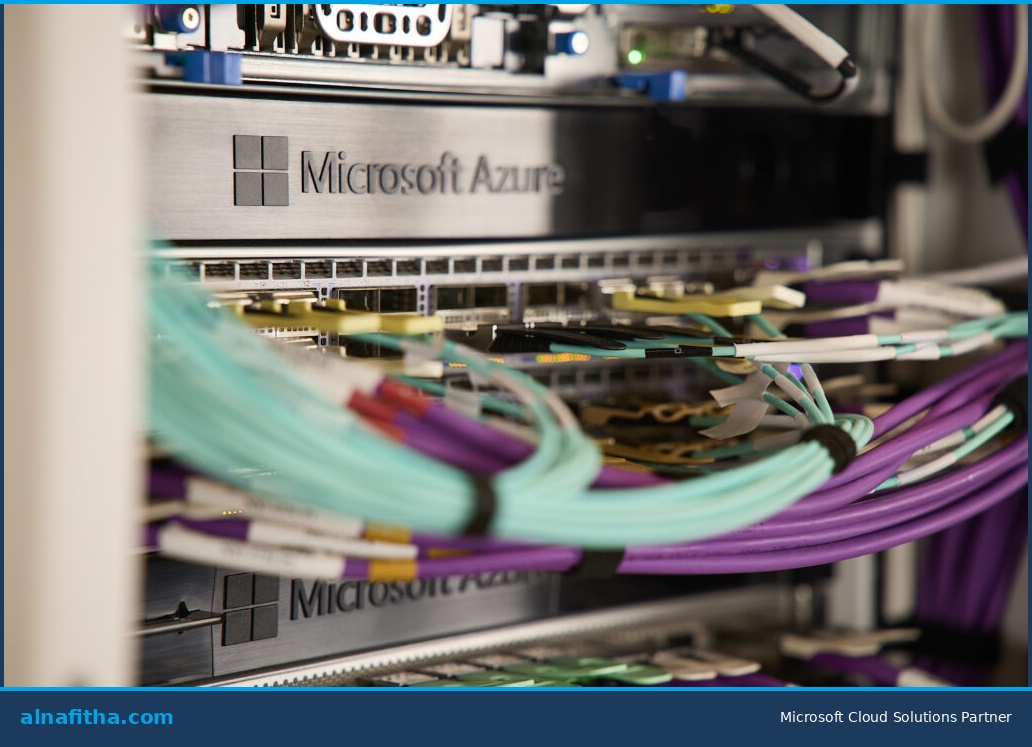
From Cloud to Transformation: How Local Infrastructure Drives Growth
Saudi Arabia’s Vision 2030 has placed digital transformation at the center of the Kingdom’s economic diversification plan. The availability of a trusted, enterprise grade cloud region within the country gives this vision a solid technical foundation.
Organizations that have been cautious about cloud adoption now have fewer barriers. With Microsoft’s global security standards applied locally, businesses can confidently migrate their cloud workloads, whether those involve enterprise resource planning, customer facing applications, AI and machine learning models, or data analytics platforms.
The ripple effect extends beyond individual businesses. As more organizations run cloud workloads from within the Kingdom, the broader digital ecosystem matures. Local talent develops cloud skills, partners build specialized practices, and innovation accelerates across industries. According to Microsoft’s official announcement, the company is also investing in Saudization initiatives and the expansion of its regional headquarters to support this growth.
Preparing Your Business to Run Cloud Workloads Locally
The Q4 2026 timeline gives organizations a clear window to prepare. But readiness is not just about flipping a switch. It requires assessing your current infrastructure, identifying which workloads are ready for migration, and strengthening your governance frameworks.
This is where working with an experienced partner makes the difference. Alnafitha IT has been supporting Saudi businesses with cloud and infrastructure solutions since 1993. As a trusted Microsoft partner, we help organizations assess their cloud readiness, plan their migration strategies, and build the governance structures needed to run cloud workloads securely and efficiently.
Whether you are migrating your first workload or scaling an existing cloud environment, our team is ready to help you make the most of this milestone.
Talk to our cloud experts today and start planning your cloud workload strategy for the new Saudi Arabia datacenter region.